How to Write a Voice Letter: From Outline to Recording
Last updated: · Vesper team
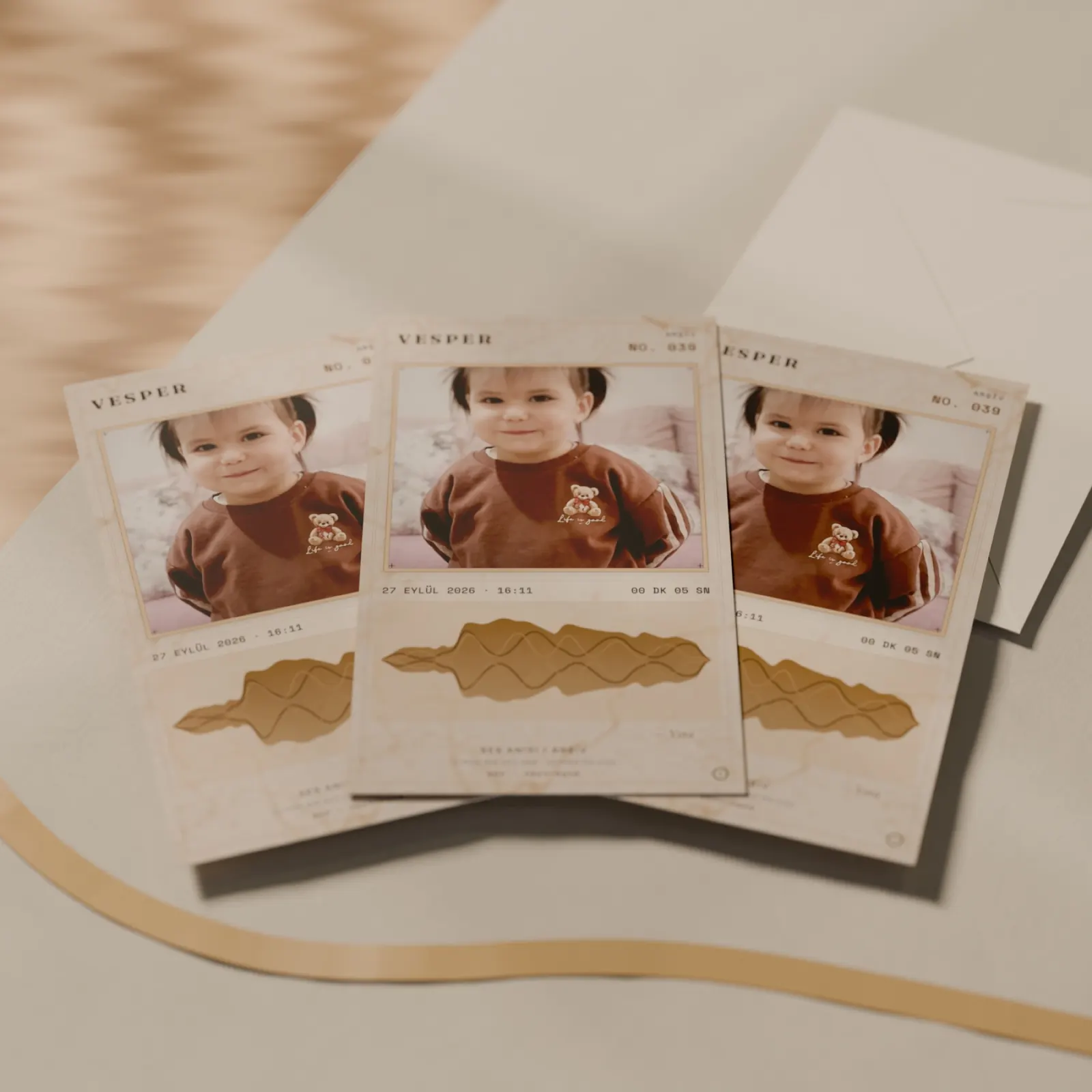
A voice letter is a written letter spoken in your own voice; one memory, one thank-you and one wish are enough. A good voice letter is sincere rather than long: jot down a few lines first, then record it in one go somewhere quiet.
What is a voice letter, and how is it different from a written one?
A voice letter is what you get when, instead of writing down what you want to tell someone, you say it out loud and record it. A letter on paper carries words; a voice letter carries the words plus your tone, your pace, the pauses and the laugh in the middle of a sentence. Written down, "I miss you" belongs to everyone. Spoken, it belongs only to you.
When you write, you can fix every sentence; when you speak, you cannot, and that makes a voice letter more real. That is why a voice letter suits a mum, a friend in another country, a teacher, or a time capsule meant to be opened years from now better than almost anything else.
Before you start: three questions
Ask yourself these three questions before you press record; the answers become the skeleton of your letter.
- Who am I talking to? One person. A letter addressed to a group turns general; a letter addressed to one person carries details.
- Why now? A birthday, a move to another city, a thank-you that is overdue, or simply a quiet Sunday morning. Saying the reason in one sentence gives the letter its place.
- If they remember only one thing, what should it be? A memory, a sentence or a wish. Once you have that answer, half the letter is done.
How to make a voice letter, step by step
1. Write a short outline
Not a full script, just four or five points. A sample skeleton:
- Their name and today's date
- Why you are recording (one sentence)
- One memory, with a detail
- A thank-you or an apology
- A wish and a closing line
Glance at it while you record; the goal is to talk, not to read.
2. Pick your opening line
The easiest cure for freezing in front of the microphone is a ready-made first sentence. A few openings that work:
- "I saw something today and it made me think of you…"
- "There is something I have never actually told you…"
- "I am so glad you were there this year, because…"
- "Do you remember that day when…"
What they have in common is that each one opens onto a concrete detail. A letter that begins with "Hi, hope you are well" sounds like a text message, not a conversation.
3. Tell one memory
The heart of a good voice letter is a single memory. A letter that tries to fit in three memories ends up telling none of them. Give the memory a place, a time and one small detail: "Sunday morning, in the kitchen, the red mug next to the teapot." The smaller the detail, the more the listener remembers.
4. Keep it short
Thirty seconds to two minutes is the sweet spot for most letters.
5. Find a quiet spot
Close the window, mute the television and hold the phone close to your mouth. Soft household sounds in the background are fine and can even add warmth; wind and traffic are the real problems.
6. Record it in one take
The first take is usually the best one. Do not stop when you stumble; take a breath and keep going, because the pause is part of the letter. Stop after the third attempt; every extra take sounds more memorised.
7. Listen back, once
Play it back once and check only two things: can your voice be heard clearly, and is the one sentence you wanted to say in there? It is normal to find your own voice strange; the person listening hears the voice they know.
How to send a voice letter
There are a few ways to send a recording, and each gives the listener something different.
- A messaging app: the fastest route, but the recording gets buried between other messages and is often played once and forgotten.
- An email attachment: opens on a computer and gets saved, but is fiddly on a phone and does not feel like a letter.
- A voice card: the recording, a photo and a title become a single page that travels as a link. It turns into something the other person "opens", like a letter.
Vesper is built for that third route. You record on your phone, add a photo and a title, and the card goes out as a link; the person receiving it listens in their browser without installing anything. You choose who can open the card and you can delete it whenever you like. If you want the letter to open on a particular day, you can seal the card until that date; that is how you prepare a letter for a birthday morning or for years from now. A free account gives you 30 seconds of recording, which is enough for one memory and one wish, and it also helps you keep it short.
What kind of voice letter, for whom?
The same skeleton works for everyone; what changes is the memory you choose and the tone.
- For your mum: a memory from childhood and one thing you learned from her. If you live far away, say exactly which moment of the day you miss her most.
- For a partner or spouse: a small detail from the early days, a habit of theirs you still love, and a wish. Not a list of compliments, just one scene.
- For a teacher: a specific moment from their class and where that lesson sits in your life today. A thank-you grows when it becomes concrete.
- For a friend far away: bring back a shared joke, tell them what you are doing today, and name a date for the next time you will meet.
- For your future self or your child: say today's date, what you are busy with right now and what you hope for a year from now. When a letter like this is opened years later, the voice itself becomes the gift.
Common mistakes
- Reading a script. A letter that is read does not sound like you talking. Write an outline, but do not read it out.
- Trying to fit everything in. One memory instead of three; one thank-you instead of five.
- Opening with an apology. A letter that starts with "Sorry, my voice sounds weird" pulls attention to the voice instead of the message. Just begin.
- Waiting for perfect. By the tenth take the voice is smoother but the sincerity is gone. Send the second or third take.
- Ignoring timing. A letter sent at midnight gets played in the morning rush. Pick a moment when they will be calm, or seal the card until the right day.
Final check before you record
- Is your outline four or five points rather than a full script?
- Is there one memory, with a detail?
- Is your opening line concrete?
- Is the room quiet and the phone close?
- Is it under two minutes?
If the answer to all five is yes, press record. A voice letter is not meant to replace a written letter; it exists to carry what writing cannot. What the listener will remember is not how polished the sentences were, but that they were said in your voice.
Frequently asked questions
How long should a voice letter be?
In most cases thirty seconds to two minutes is plenty. One memory and one wish fit comfortably into a minute; anything longer tends to lose the listener. A free Vesper recording is 30 seconds, which is enough for one sincere message.
How do you start a voice letter?
Start with their name and today's date, then say in one sentence why you are recording. A concrete opening such as "I thought of you today because…" is far stronger than "Hi, how are you?".
Do I need to write a script for a voice letter?
You do not need to write it word for word; a script read aloud often sounds stiff. A short outline of three or four points keeps you from forgetting what you wanted to say and still sounds like you talking.
I hate the sound of my own voice. What should I do?
Almost everyone dislikes hearing their own recorded voice. The person listening hears the voice they already know from everyday life. It does not need to be perfect; pauses and laughter are part of the letter.
Does the person receiving the voice letter need to install an app?
No. A Vesper card arrives as a link and plays in the phone's browser. The app and a free account are only needed by the person recording the letter.
Related guides
- Christmas gifts for grandparents
- Last-minute gift ideas
- Personalized gift ideas
- Valentine's Day gift ideas
- Gift for mom far away
- All gift guides
Make your free voice card
Record your voice and send the card as a link. The person who gets it listens without installing an app.
Coming soon to the App Store.
This guide was written by the Vesper team. Most suggestions are not Vesper products; prices are rough ranges. Published: 27 October 2026.